
The 64th edition of Salone del Mobile.Milano wrapped at the end of April, with more than a thousand events across the city and over half a million visitors — most of them designers, buyers, and editors trying to read what comes next.1 I wasn't on the floor this year, but I read everything that came out of it. A few clear directions emerged, and they're already changing how I'll specify projects this fall.
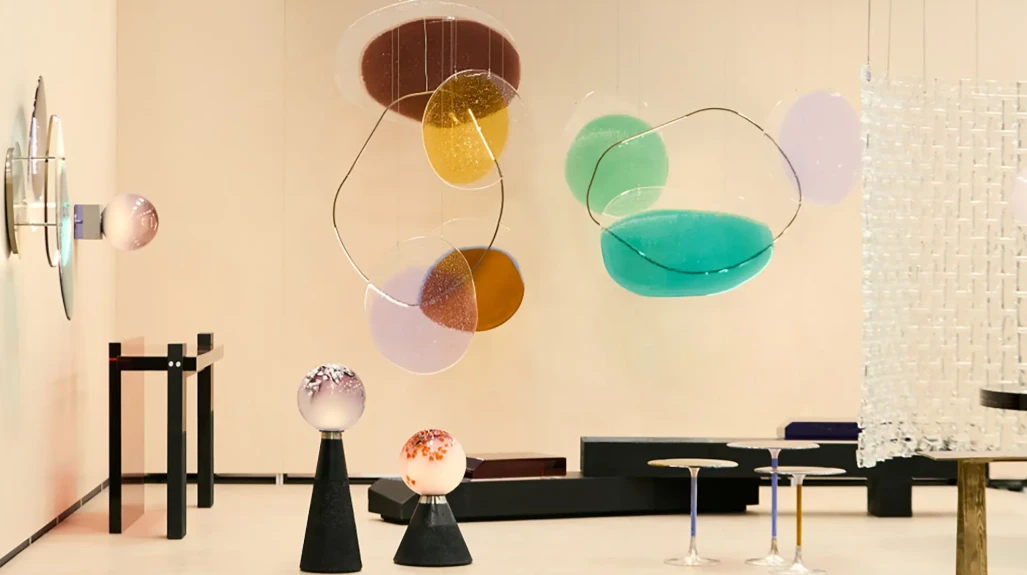
Material first — a theme with teeth
This year's campaign was titled "A Matter of Salone," built around four motifs — stone, petal, wood, and sponge — and the message was unmistakable: design is returning to substance.2 Italian coatings house Renner Italia summed it up cleanly: in a year of economic uncertainty, the dominant themes on the floor were "substance, sustainability, and durability," with rough, brushed, and unpolished surfaces showing up across booths.3
A new framing emerged around this: Neocraft — traditional craftsmanship fused with technology, where intentional imperfection and hand-touched pieces replace the perfect-but-cold finishes we've lived with for a decade.3
Orange has its moment
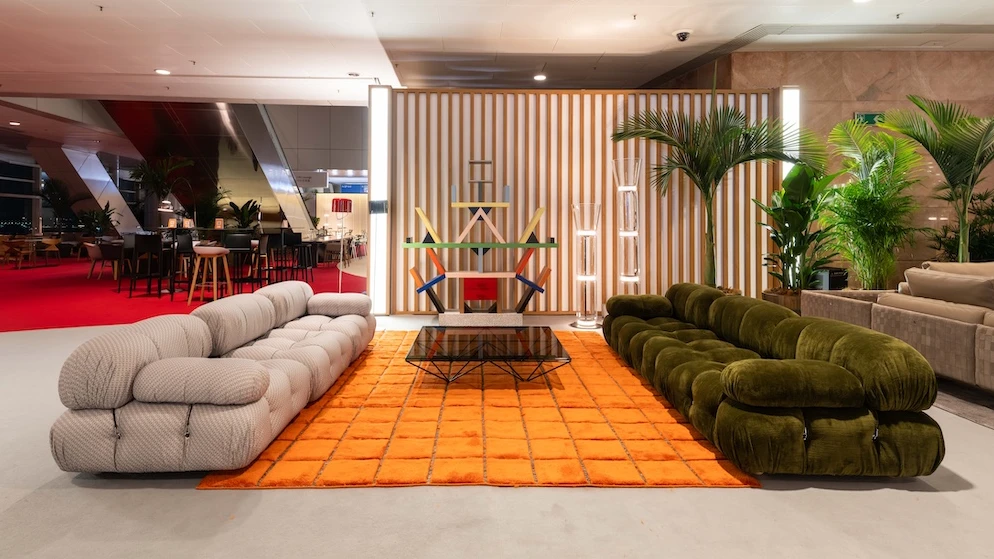
If you had to pick one color from Milan 2026, it would be orange. Surface Mag named it the signature shade — burnt, tangerine, sometimes electric — appearing across multiple brands and collections.4 On a foundation of warm neutrals (greige, cream, ecru, rope), the accent palette leaned into burnt orange, olive green, navy blue, and terracotta.3
This is not the orange of the 2010s. It's lived-in, sun-faded, layered with brown and rust — the kind of orange that belongs to a clay pot, not a sneaker.
The return of comfort (and the 1970s)
The biggest emotional shift was around comfort. Surface Mag and Wallpaper* both noted the dominance of curved sectionals, conversation pits, and stuffed-and-puffed cushions — pieces designed to be sunk into, not photographed first.4 Dedon, Minotti, Nii, and Tacchini all leaned this direction.4
Living Etc described it as "snuggling down into something very comforting" — rounded edges everywhere, lacquered elements inserted into soft furnishings to add structure without losing softness.6 After years of sharp geometry, the room wants to hold you.
Oak is rising
A small but real material shift: oak is taking over from walnut — softer, cooler, less dominant, easier to live with for a decade.6 Combined with raw stones (with unpolished edges), brushed woods with deep grain, and raw wool, the material conversation has moved away from the slick.3

Sustainability, but with edge
Sustainability wasn't a panel topic this year — it was built into the installations themselves. Two stood out:
- Issey Miyake showed furniture crafted from the waste paper rolls used in the brand's signature pleating process.7
- Aesop's Factory of Light was an installation made from 10,826 upcycled fragrance bottles — an entire undulating landscape from what would have been trash.7
This is sustainability that earns its own beauty rather than apologizing for itself.
My read for a project starting this fall
Three things I'm bringing into the work this season:
- Lead with material, not silhouette. Pick the stone, the wood, the wool, the finish first — let the form come from it.
- Stop being afraid of color. A warm-neutral foundation with one saturated, lived-in accent (orange, olive, terracotta) is the most current move you can make in 2026.
- Design rooms to be entered, not photographed. The conversation pit is half a joke and half a reminder — comfort is back at the center.
If you're planning a project this year and wondering whether your instincts are right, they probably are. Milan just confirmed it.
— Carol Medrado